Lisa Marshall
70th American Nuclear Society President, NC State Professor, Youth Mentor, Nuclear Industry Talent Developer
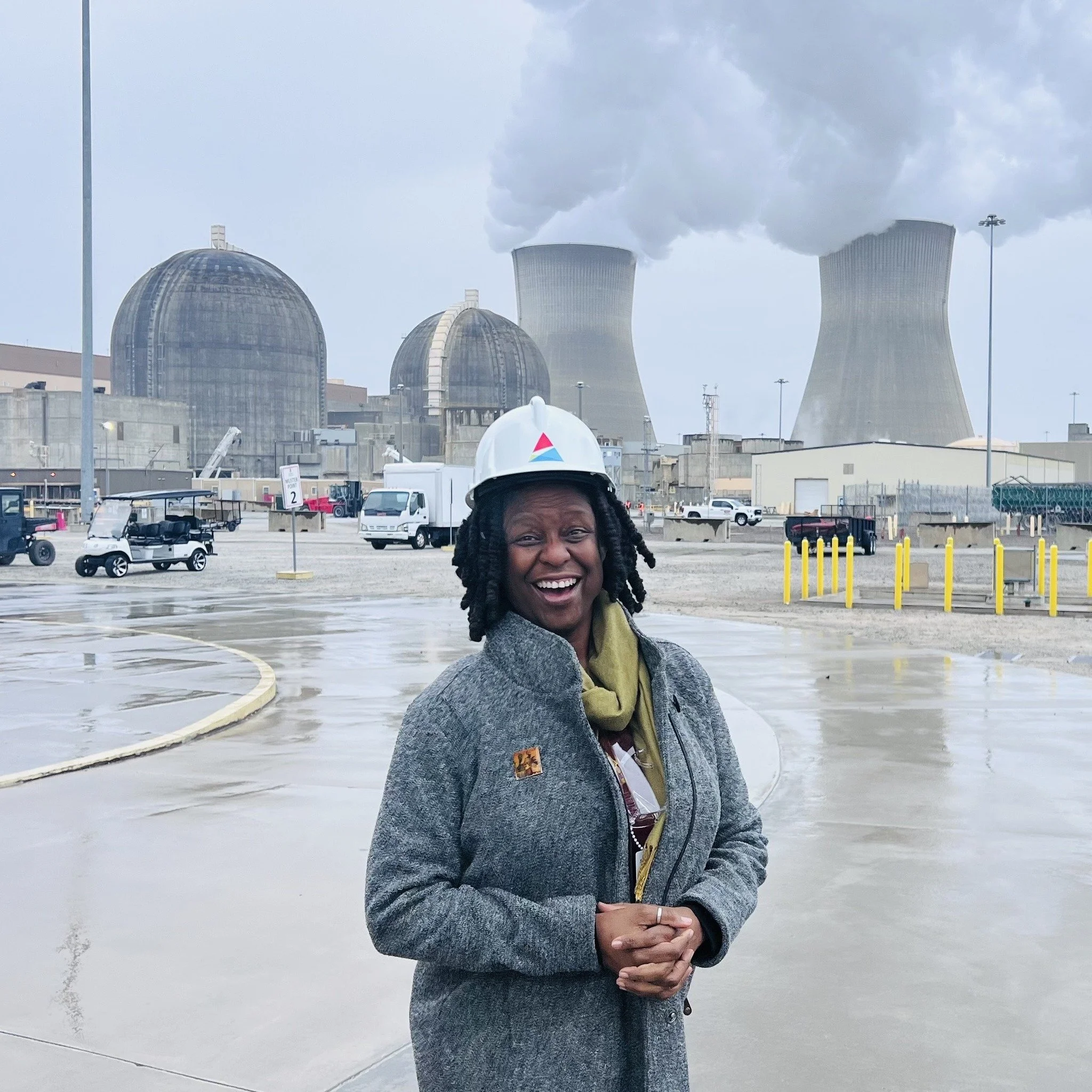
Growing up in Trinidad with her grandmother, Lisa Marshall learned early what it meant to live with unreliable electricity. Power flickered off and on so often that the family scheduled daily tasks before nightfall, and Marshall recalls finishing homework by kerosene lamp when the lights failed. Through it all, her grandmother emphasized the value of education, instilling lessons of persistence that would shape Marshall’s future.
These lessons propelled Marshall’s educational and professional career, allowing her to become the first black woman to be the president of the American Nuclear Society (ANS), the Chair of the Working Group on Building a Pipeline for STEM Professionals (OECD NEA) and both an assistant extension professor and outreach director at NC State. Throughout her career, Marshall has focused on recruiting and developing diverse young talent to the nuclear industry.
For Marshall, encouraging young Black people and young women to join the nuclear industry is “an awesome responsibility that (she) doesn’t take lightly.” Over her years as a college advisor, professor, and the ANS president from 2024-2025, Marshall witnessed more women enter the workforce, but laments that they are still largely underrepresented. She added they bring a different perspective that would benefit the industry.
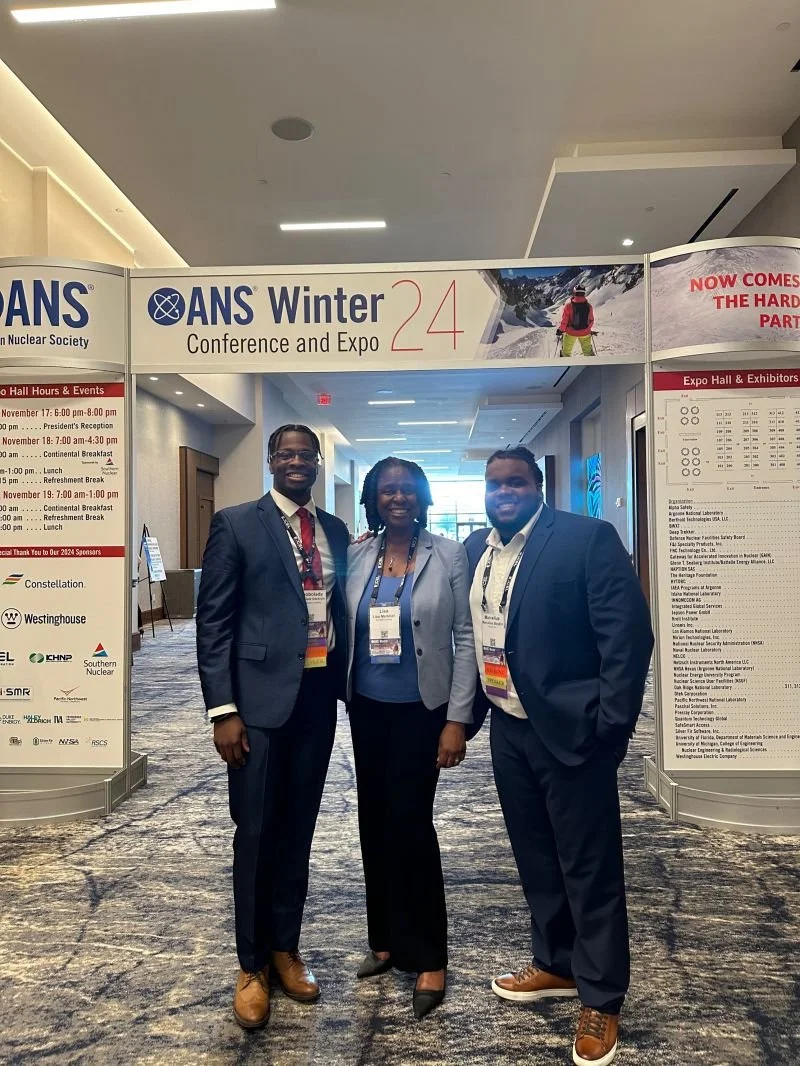
“Gosh, they're not enough of us. If we want to retain them right, we have to be a bit more nurturing, also a little bit more empathetic. And we're trying to set up the network and the mechanisms to support them. From the time I had come in to now, most definitely, there's, there's an increase,” Marshall said. “Are we moving fast enough? Never, never, never. But are we doing it deliberately in the sense of the mechanisms, to try to put the mechanisms in place so that it sticks? Yes.”
Marshall said she is most proud of working with students from pre-college to graduate school and seeing first hand their transformations. Marshall has seen students she met at 16 graduate with a PhD and go into the industry and remain in contact. She has also been invited to a few of their weddings and said she is seeing the next generation being born. As a mentor, Marshall strives for continual connection.
Nuclear Energy Agency (NEA) Director-General Magwood recruited Marshall to chair the Working Group on Building a Pipeline for STEM Professionals because of her extensive experience in getting young individuals excited about science and technology as needed in the nuclear field, and specifically to reach young women.
“It's important because we need to engage with students early and often, and also with their influencers. I'm thinking their parents. I'm thinking their teachers, career counselors. I'm thinking of the after school programs, the Saturday programs,” Marshall said. “So a better understanding of what nuclear has to offer. How then do we make sure that the educators, the career counselors and others have the resources?”
As the 5th female ANS president, and the 2nd black ANS president, Marshall is a nuclear trailblazer. Marshall said she advocates for “fuller participation”, which she described as more people participating at the table in energy discussions. According to Marshall, it is necessary to have conversations about how energy can be utilized effectively and equitably in distinct communities; she added the approach is not the same across all communities.
Marshall attributes her success to several strong women in her life. In addition to her grandmother, who made an effort to speak with Marshall’s teachers to track her academic progress, Marshall appreciated several mentors while doing undergrad at Carleton University and then studying energy geography with a focus on nuclear energy at The University of North Carolina - Chapel Hill.
Dr. Jill Vickers specifically was a transformative figure and Marshall burst into tears when she thanked the professor for the extra attention outside the classroom. It is something she promised to pay forward.
“She saw and nurtured something in me before I saw it in myself,” Marshall said. “She pushed me to join and speak up in committees, write and present papers at conferences, and included me in her graduate research work while I was an undergrad.”
As part of her duties as the ANS president, Marshall attended COP 29 (the United Nations Conference on Climate Change),in Baku, arguing that nuclear power needs to be a part of the energy mix around the world. Marshall said that while nuclear didn’t have to fight to be on the agenda like many years in the past, progress was slower than the breakout of support for nuclear shown at COP 28 in Dubai.
With COP 30 on the horizon in Brazil, Marshall is optimistic that the conference could spurn nuclear development across Latin America. Brazil announced they want to build more reactors, a nuclear sub, and other nuclear technology. Marshall hopes the conference increases the momentum at a similar scale that COP 28 achieved.
OECD NEA and their STEM working group hosted a global forum at the University of Michigan as well as an outreach workshop with students and educators from the local area aimed at STEM and nuclear development, Marshall said.
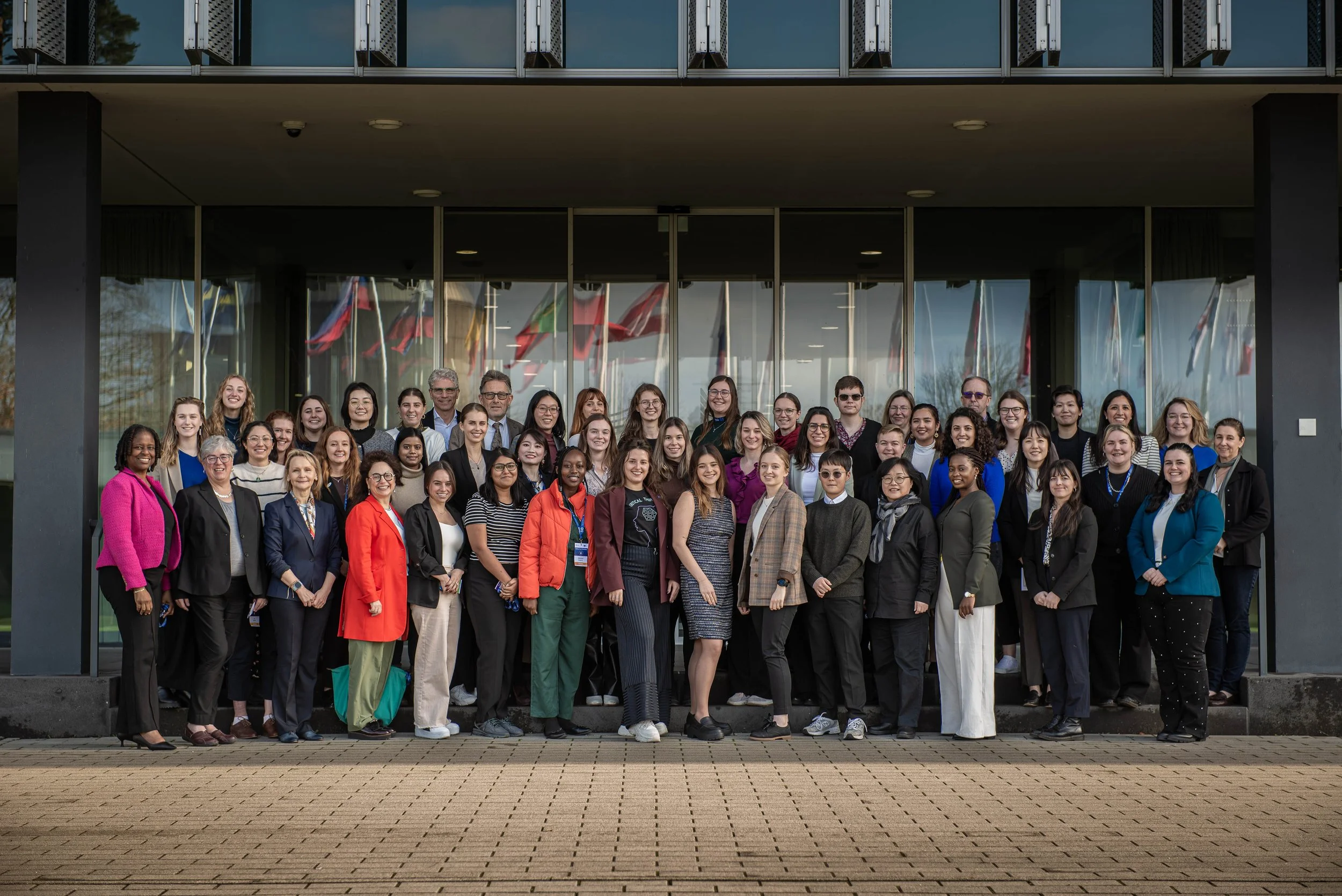
As part of outreach efforts, ANS is opening more high school chapters. Marshall views the younger generation as more open to nuclear energy, but insists much work on youth development and improving curriculums for school teachers is needed. She added younger people seem more concerned about costs and less about waste or safety.
For Marshall, electricity is essential to everything we do, a foundation of modern society. Marshall views nuclear energy as a key part to any energy mix.
Although she is not a mother herself, Marshall understands the dedication moms show to their children and grandchildren through her personal relationship with her grandmother.
“She literally devoted her life to the generations to come. She could have easily done that for herself,” Marshall said. “But she decided that her children needed help with their children, so that they could (have a better life).”
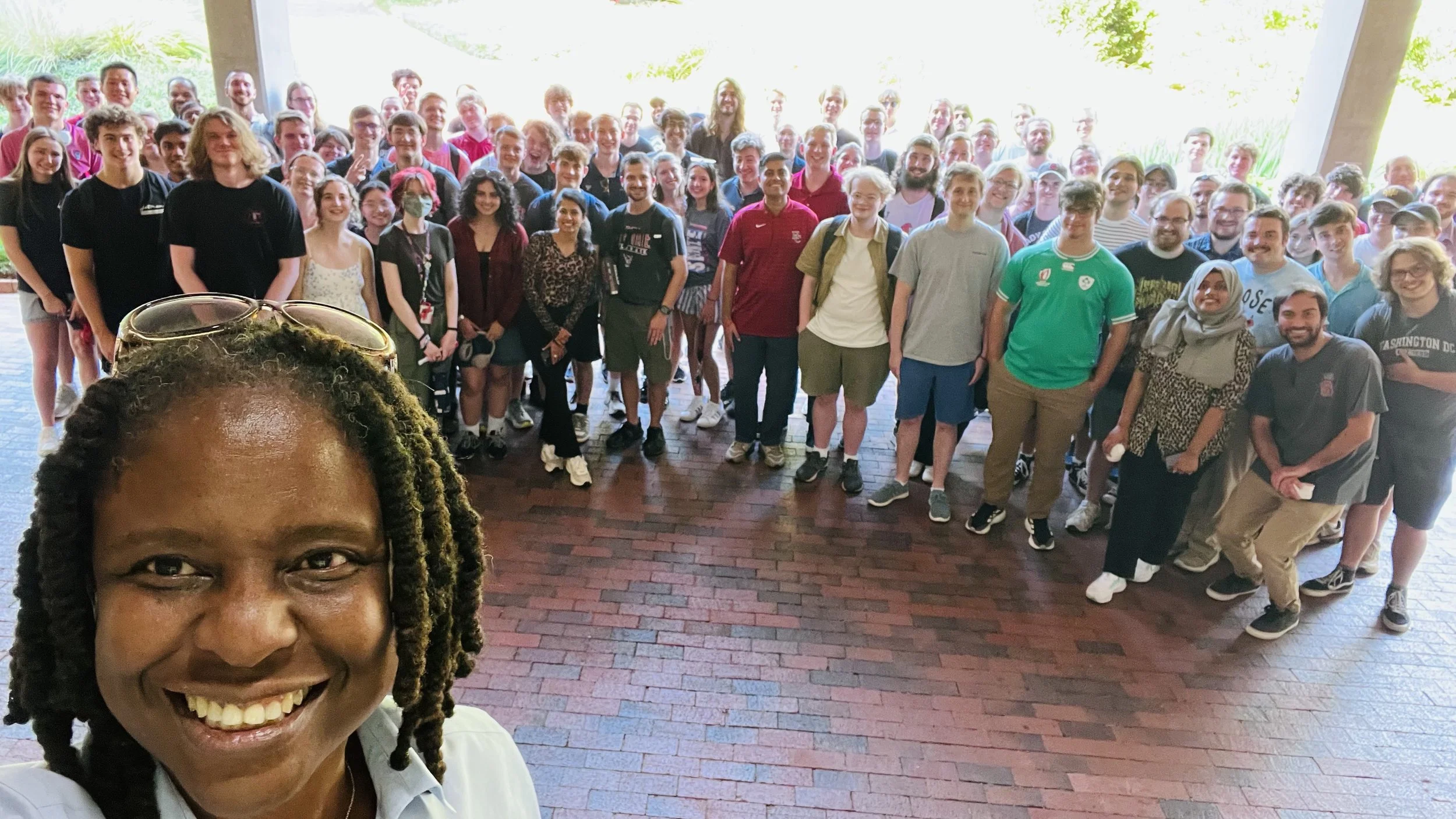
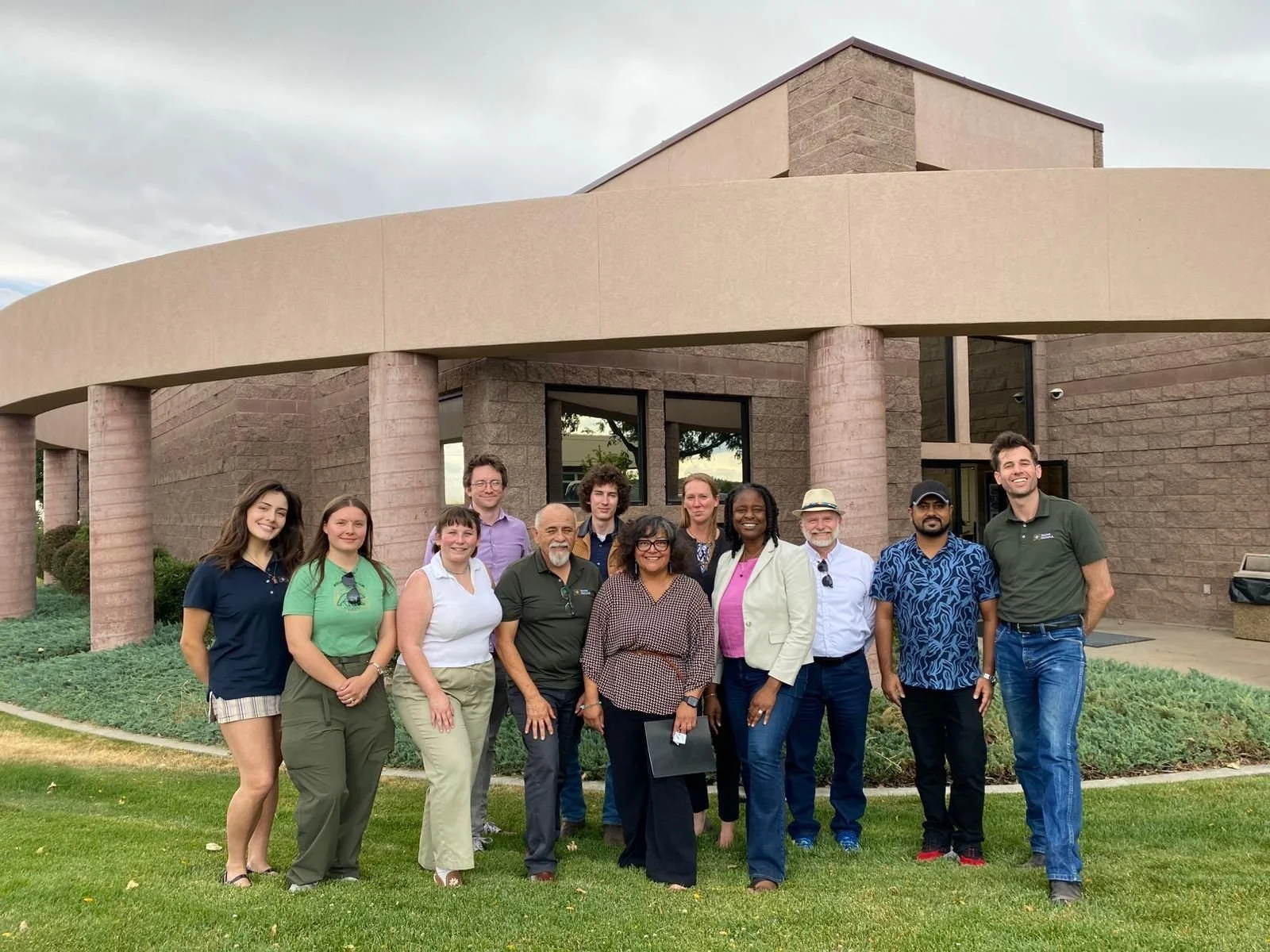
Marshall with NC State students in August, 2025. Marshall is an assistant extension professor in the department of nuclear engineering.
Marshall said she is optimistic about the future of nuclear energy, but several obstacles must be overcome. For nuclear emerging nations like Ghana, Ethiopia, Romania, and Brazil, Marshall said the immediate needs are a budget, a skilled workforce, appropriate policies and communications able to reach apprehensive communities. She listed high costs and long build times as chief problems that persist in countries that already have a strong nuclear industry but have struggled in construction lately.
Moving forward, Marshall wants to continue to be involved in efforts with large organizations to develop the nuclear workforce, as part of a process of “human capacity building”. She aims to do this as a professor at NC State and with ongoing work at ANS.
“I just realized that I will always be the 70th president of the American Nuclear Society,” Marshall said. “I’m most proud of outreach… increasing the momentum on the outreach side and also the international connections.”
Marshall’s efforts to diversify and strengthen the American nuclear workforce would surely make her grandmother proud.
Article by Jack Austin